Buy securetechnologies.eu ?
We are moving the project
securetechnologies.eu .
Are you interested in purchasing the domain
securetechnologies.eu ?
domain@kv-gmbh.de · 0541-91531010
Buy securetechnologies.eu ?
Which gin brand is recommended for a good gin and tonic?
One highly recommended gin brand for a good gin and tonic is Tanqueray. It is a classic London dry gin that is known for its balanced and crisp flavor profile, making it an excellent choice for a refreshing gin and tonic. Another popular option is Hendrick's Gin, which is infused with cucumber and rose petals, adding a unique and refreshing twist to the traditional gin and tonic. Both of these brands are widely available and well-regarded for their quality and taste. **
Can gin go bad?
Yes, gin can go bad over time. Exposure to air, light, and temperature fluctuations can cause the flavors of gin to deteriorate, making it taste off or unpleasant. Proper storage in a cool, dark place can help slow down this process, but it's still best to consume gin within a few years of opening it for the best flavor. Additionally, if gin develops an off smell or taste, it's best to discard it to avoid any potential health risks. **


Similar search terms for Vietri-Superglass-Polycarbonate-Gin
Top-Angebote
Products related to Vietri-Superglass-Polycarbonate-Gin:
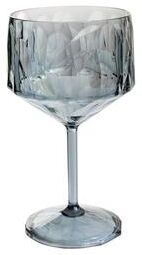


-
How can one glue polycarbonate plastic?
To glue polycarbonate plastic, it is important to use a specialized adhesive that is designed to bond with this type of plastic. Look for adhesives labeled as suitable for use with polycarbonate, such as cyanoacrylate (super glue) or a two-part epoxy. Before applying the adhesive, make sure the surfaces are clean and free of any dirt, grease, or other contaminants. Apply the adhesive according to the manufacturer's instructions and allow it to cure fully before subjecting the bonded pieces to any stress or load. **
-
What does gin taste like?
Gin has a complex flavor profile that typically includes a combination of botanicals such as juniper, coriander, citrus peel, and various herbs and spices. The predominant taste of gin is often described as piney or resinous due to the presence of juniper, with additional notes of citrus, floral, and herbal flavors. The taste can vary widely depending on the specific botanicals used and the distillation process, resulting in a wide range of flavor profiles across different gin brands. Overall, gin is known for its refreshing and aromatic taste, making it a popular choice for cocktails and mixed drinks. **
-
What ability does Gin have?
Gin has the ability to create and control fire. He can generate flames from his body and manipulate them to attack his enemies. This ability gives him a powerful advantage in combat, as he can use his fire to overwhelm and defeat his opponents. Additionally, Gin's control over fire allows him to use it for various purposes, such as creating barriers or enhancing his physical attacks. **
-
Does Gin Tonic taste bad?
The taste of Gin Tonic is subjective and can vary depending on individual preferences. Some people enjoy the bitter and botanical flavors of gin combined with the effervescence of tonic water, while others may find it too strong or acquired taste. It is recommended to try Gin Tonic with different brands of gin and tonic water to find a combination that suits your taste buds. **


What is polycarbonate in a phone case?
Polycarbonate is a type of thermoplastic polymer that is commonly used in phone cases due to its durability and impact resistance. It is a lightweight material that provides protection against scratches, drops, and other forms of damage. Phone cases made from polycarbonate are known for their sleek and slim design, making them a popular choice for those looking for both style and protection for their devices. **
What is the reaction equation for polycarbonate?
The reaction equation for polycarbonate is the polymerization of bisphenol A and phosgene. This reaction results in the formation of a long chain polymer with repeating carbonate groups. The reaction equation can be represented as: n(Bisphenol A) + n(Phosgene) → (Bisphenol A)-(Phosgene) + n(HCl) Where n represents the number of repeating units in the polymer chain. **
Top-Angebote
Products related to Vietri-Superglass-Polycarbonate-Gin:
-
Which gin brand is recommended for a good gin and tonic?
One highly recommended gin brand for a good gin and tonic is Tanqueray. It is a classic London dry gin that is known for its balanced and crisp flavor profile, making it an excellent choice for a refreshing gin and tonic. Another popular option is Hendrick's Gin, which is infused with cucumber and rose petals, adding a unique and refreshing twist to the traditional gin and tonic. Both of these brands are widely available and well-regarded for their quality and taste. **
-
Can gin go bad?
Yes, gin can go bad over time. Exposure to air, light, and temperature fluctuations can cause the flavors of gin to deteriorate, making it taste off or unpleasant. Proper storage in a cool, dark place can help slow down this process, but it's still best to consume gin within a few years of opening it for the best flavor. Additionally, if gin develops an off smell or taste, it's best to discard it to avoid any potential health risks. **
-
How can one glue polycarbonate plastic?
To glue polycarbonate plastic, it is important to use a specialized adhesive that is designed to bond with this type of plastic. Look for adhesives labeled as suitable for use with polycarbonate, such as cyanoacrylate (super glue) or a two-part epoxy. Before applying the adhesive, make sure the surfaces are clean and free of any dirt, grease, or other contaminants. Apply the adhesive according to the manufacturer's instructions and allow it to cure fully before subjecting the bonded pieces to any stress or load. **
-
What does gin taste like?
Gin has a complex flavor profile that typically includes a combination of botanicals such as juniper, coriander, citrus peel, and various herbs and spices. The predominant taste of gin is often described as piney or resinous due to the presence of juniper, with additional notes of citrus, floral, and herbal flavors. The taste can vary widely depending on the specific botanicals used and the distillation process, resulting in a wide range of flavor profiles across different gin brands. Overall, gin is known for its refreshing and aromatic taste, making it a popular choice for cocktails and mixed drinks. **
Similar search terms for Vietri-Superglass-Polycarbonate-Gin
-
What ability does Gin have?
Gin has the ability to create and control fire. He can generate flames from his body and manipulate them to attack his enemies. This ability gives him a powerful advantage in combat, as he can use his fire to overwhelm and defeat his opponents. Additionally, Gin's control over fire allows him to use it for various purposes, such as creating barriers or enhancing his physical attacks. **
-
Does Gin Tonic taste bad?
The taste of Gin Tonic is subjective and can vary depending on individual preferences. Some people enjoy the bitter and botanical flavors of gin combined with the effervescence of tonic water, while others may find it too strong or acquired taste. It is recommended to try Gin Tonic with different brands of gin and tonic water to find a combination that suits your taste buds. **
-
What is polycarbonate in a phone case?
Polycarbonate is a type of thermoplastic polymer that is commonly used in phone cases due to its durability and impact resistance. It is a lightweight material that provides protection against scratches, drops, and other forms of damage. Phone cases made from polycarbonate are known for their sleek and slim design, making them a popular choice for those looking for both style and protection for their devices. **
-
What is the reaction equation for polycarbonate?
The reaction equation for polycarbonate is the polymerization of bisphenol A and phosgene. This reaction results in the formation of a long chain polymer with repeating carbonate groups. The reaction equation can be represented as: n(Bisphenol A) + n(Phosgene) → (Bisphenol A)-(Phosgene) + n(HCl) Where n represents the number of repeating units in the polymer chain. **
* All prices are inclusive of VAT and, if applicable, plus shipping costs. The offer information is based on the details provided by the respective shop and is updated through automated processes. Real-time updates do not occur, so deviations can occur in individual cases. ** Note: Parts of this content were created by AI.