Buy securetechnologies.eu ?
We are moving the project
securetechnologies.eu .
Are you interested in purchasing the domain
securetechnologies.eu ?
domain@kv-gmbh.de · 0541-91531010
Buy securetechnologies.eu ?
At what temperature does porcelain and ceramic break?
Porcelain and ceramic break at different temperatures depending on the specific type and quality of the material. Generally, porcelain tends to break at higher temperatures than ceramic due to its denser and more refined composition. Porcelain typically breaks at temperatures above 1200 degrees Celsius, while ceramic may break at temperatures ranging from 800 to 1000 degrees Celsius. It is important to handle both materials carefully to prevent breakage during heating or cooling processes. **
What happens if you swallow ceramic or porcelain?
If you accidentally swallow a small piece of ceramic or porcelain, it will likely pass through your digestive system without causing harm. However, if the piece is large or sharp, it could potentially cause damage to your throat, esophagus, or stomach. In this case, it is important to seek medical attention immediately. Additionally, ingesting ceramic or porcelain glaze or paint could expose you to harmful chemicals, so it's important to seek medical advice if this occurs. **
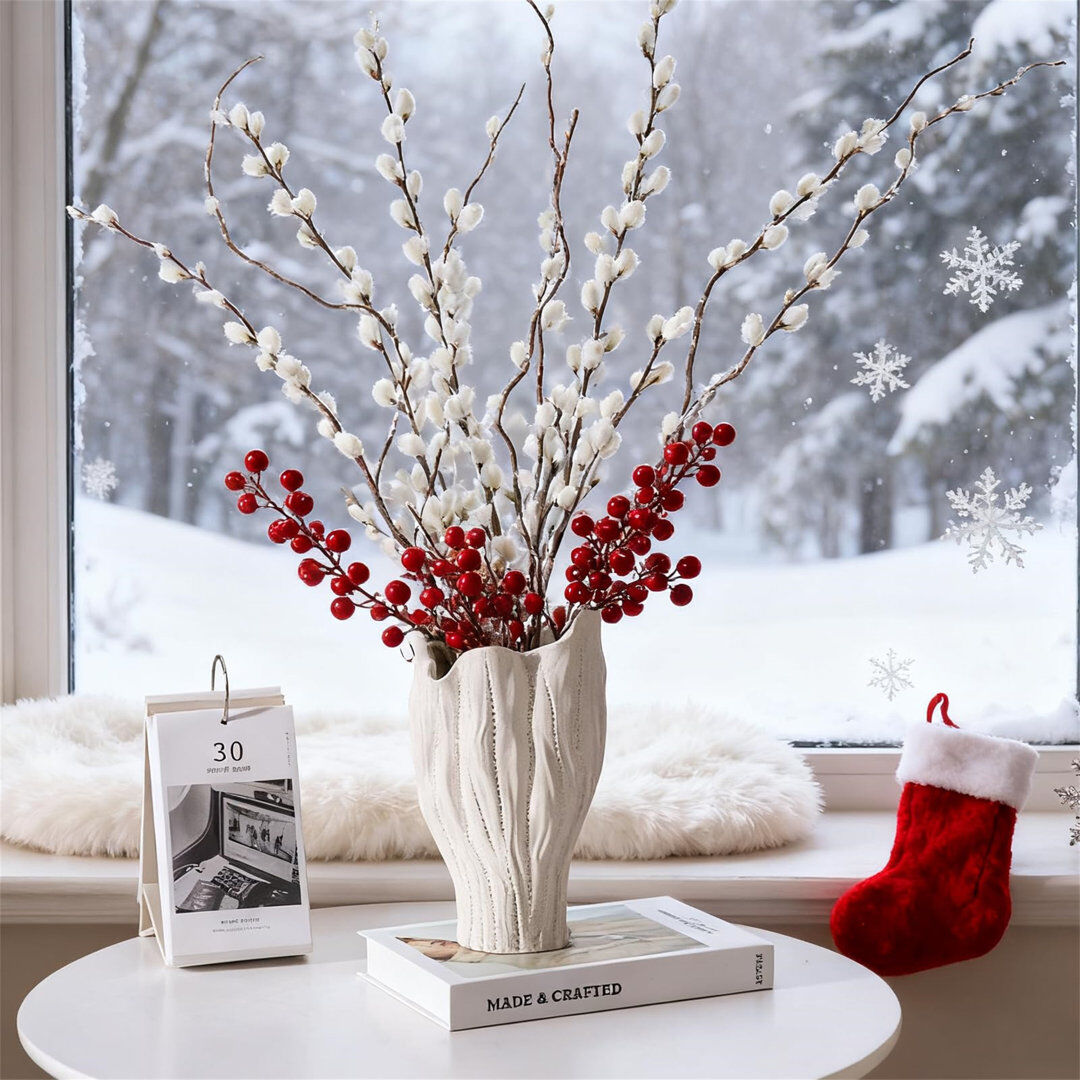

Similar search terms for Bloomsbury-Market-Ceramic-Porcelain
Top-Angebote
Products related to Bloomsbury-Market-Ceramic-Porcelain:
-
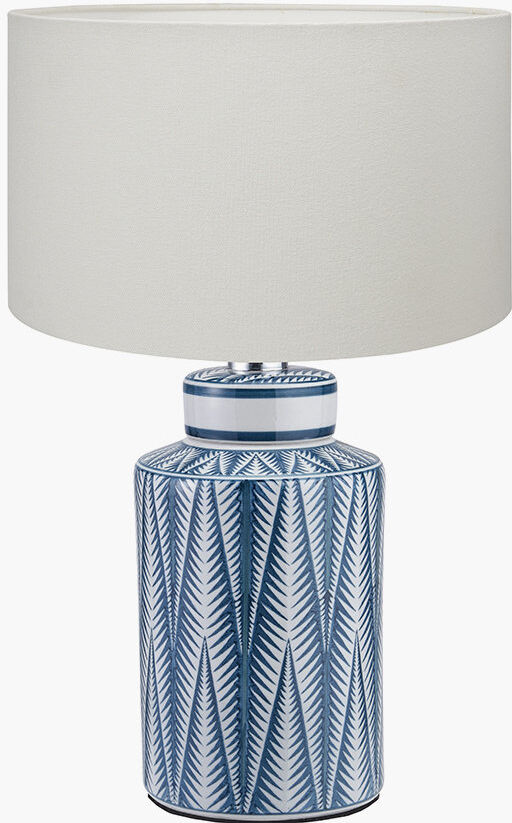
Bloomsbury Market Ceramic Table Lamp Blue 19.68" H x 11.81" W x 11.81" DThe Samara Table Lamp brings a bold splash of pattern and colour to interiors, blending artisan‑inspired ceramic detail with soft, ambient lighting. The base is crafted from ceramic and finished with a blue‑and‑white Aztec‑pattern motif — a geometric glaze that draws the eye and gives a vibrant, textured statement even when unlit. Perched atop is a 30 cm “Henry” white hand‑loom cylinder shade, whose clean weave gently diffuses light to create a warm, welcoming glow — ideal for living rooms, bedrooms, hallways or reading nooks. With compact proportions and striking design, the lamp works equally well as a focal accent or as part of a coordinated lighting scheme. It ships fully assembled and operates with a standard E27/ES bulb (10–12 W LED recommended), offering a hassle‑free way to add colour, pattern and soft illumination to your space. Bloomsbury Market Shade Material: Cotton, Size: 19.68" H x 11.81" W x 11.81" D98,99 £*Shipping: 0,00 £Secure redirect to the provider
-
What are the differences between Delft porcelain and ceramic?
Delft porcelain and ceramic are both types of pottery, but they have some key differences. Delft porcelain is a type of earthenware that is made from a specific type of clay and is known for its blue and white hand-painted designs. It is also typically fired at a higher temperature than traditional ceramic, giving it a harder and more durable finish. Ceramic, on the other hand, is a broader category that includes a wide range of pottery made from various types of clay and fired at different temperatures. Additionally, ceramic can be glazed or unglazed, while Delft porcelain is always glazed. **
-
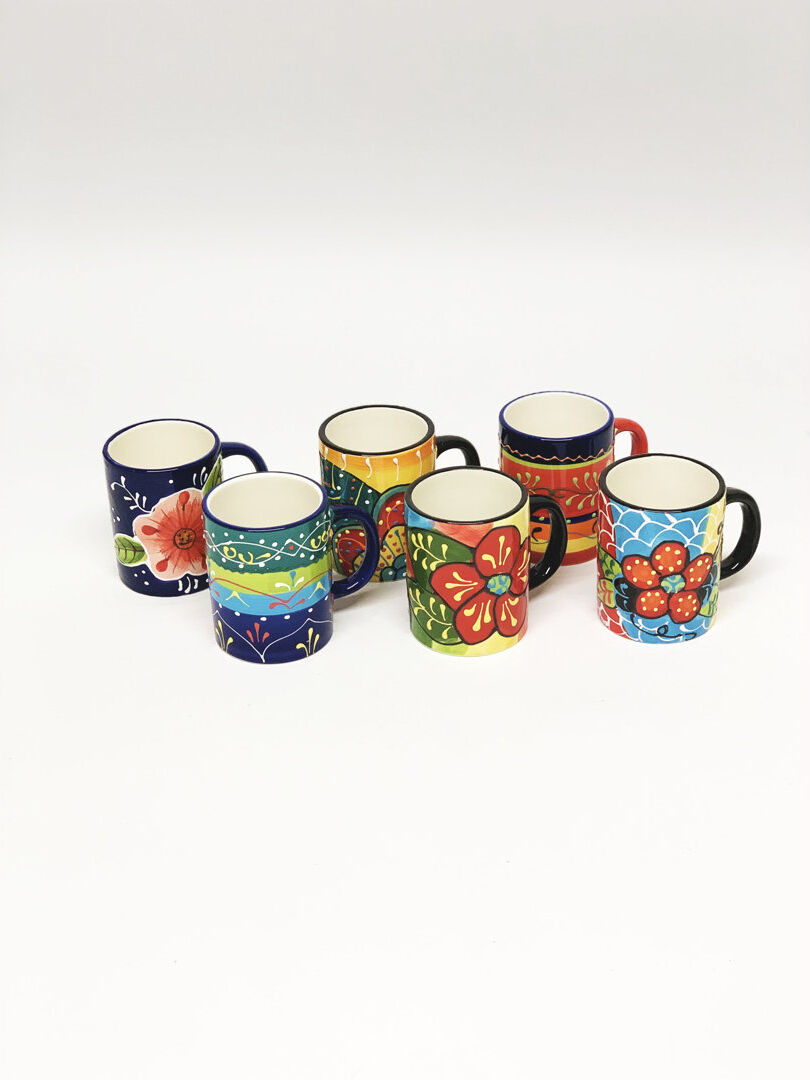
Who is the manufacturer of this porcelain ceramic mug?
The manufacturer of this porcelain ceramic mug is not specified in the given information. If you have the mug in front of you, you can check for any branding or markings on the bottom of the mug to identify the manufacturer. If there are no visible markings, you may need to refer to the original packaging or any accompanying documentation to find the manufacturer's information. **
-
How do you differentiate a ceramic or porcelain figurine?
To differentiate between a ceramic and porcelain figurine, you can look at the texture and color of the piece. Porcelain figurines are usually smoother and have a more delicate appearance, with a translucent quality. They are also often white or very pale in color. On the other hand, ceramic figurines may have a more textured surface and can come in a wider range of colors and finishes. Additionally, porcelain figurines are typically more expensive and considered more valuable due to the difficulty in crafting them. **
-
How can cobalt become toxic in ceramic or porcelain?
Cobalt can become toxic in ceramic or porcelain when it is not properly bound to the material during the firing process. If the cobalt is not fully incorporated into the ceramic or porcelain, it can leach out over time, especially when in contact with acidic foods or liquids. This can lead to the ingestion of cobalt, which can be toxic to the body in high doses. To prevent this, it is important for manufacturers to ensure that cobalt is properly bound to the ceramic or porcelain during the production process. **

How much is the porcelain or ceramic soup bowl worth?
The porcelain or ceramic soup bowl is worth $15. **
What do you prefer, porcelain or ceramic/stoneware, and why?
I prefer porcelain because it is more durable and has a finer texture compared to ceramic/stoneware. Porcelain is also less porous, making it less likely to absorb stains and odors. Additionally, porcelain has a more elegant and refined appearance, making it a popular choice for formal dinnerware and decorative pieces. Overall, I find porcelain to be a more versatile and higher quality option for various household items. **
Top-Angebote
Products related to Bloomsbury-Market-Ceramic-Porcelain:
-
At what temperature does porcelain and ceramic break?
Porcelain and ceramic break at different temperatures depending on the specific type and quality of the material. Generally, porcelain tends to break at higher temperatures than ceramic due to its denser and more refined composition. Porcelain typically breaks at temperatures above 1200 degrees Celsius, while ceramic may break at temperatures ranging from 800 to 1000 degrees Celsius. It is important to handle both materials carefully to prevent breakage during heating or cooling processes. **
-
What happens if you swallow ceramic or porcelain?
If you accidentally swallow a small piece of ceramic or porcelain, it will likely pass through your digestive system without causing harm. However, if the piece is large or sharp, it could potentially cause damage to your throat, esophagus, or stomach. In this case, it is important to seek medical attention immediately. Additionally, ingesting ceramic or porcelain glaze or paint could expose you to harmful chemicals, so it's important to seek medical advice if this occurs. **
-
What are the differences between Delft porcelain and ceramic?
Delft porcelain and ceramic are both types of pottery, but they have some key differences. Delft porcelain is a type of earthenware that is made from a specific type of clay and is known for its blue and white hand-painted designs. It is also typically fired at a higher temperature than traditional ceramic, giving it a harder and more durable finish. Ceramic, on the other hand, is a broader category that includes a wide range of pottery made from various types of clay and fired at different temperatures. Additionally, ceramic can be glazed or unglazed, while Delft porcelain is always glazed. **
-
Who is the manufacturer of this porcelain ceramic mug?
The manufacturer of this porcelain ceramic mug is not specified in the given information. If you have the mug in front of you, you can check for any branding or markings on the bottom of the mug to identify the manufacturer. If there are no visible markings, you may need to refer to the original packaging or any accompanying documentation to find the manufacturer's information. **
Similar search terms for Bloomsbury-Market-Ceramic-Porcelain
-
Bloomsbury Market Ceramic Table Lamp Blue 19.68" H x 11.81" W x 11.81" DThe Samara Table Lamp brings a bold splash of pattern and colour to interiors, blending artisan‑inspired ceramic detail with soft, ambient lighting. The base is crafted from ceramic and finished with a blue‑and‑white Aztec‑pattern motif — a geometric glaze that draws the eye and gives a vibrant, textured statement even when unlit. Perched atop is a 30 cm “Henry” white hand‑loom cylinder shade, whose clean weave gently diffuses light to create a warm, welcoming glow — ideal for living rooms, bedrooms, hallways or reading nooks. With compact proportions and striking design, the lamp works equally well as a focal accent or as part of a coordinated lighting scheme. It ships fully assembled and operates with a standard E27/ES bulb (10–12 W LED recommended), offering a hassle‑free way to add colour, pattern and soft illumination to your space. Bloomsbury Market Shade Material: Cotton, Size: 19.68" H x 11.81" W x 11.81" D98,99 £*Shipping: 0,00 £Secure redirect to the provider
-
Bloomsbury Market Ceramic Table Lamp Blue 22.05" H x 13.78" W x 13.78" DThe Samara Table Lamp brings a bold splash of pattern and colour to interiors, blending artisan‑inspired ceramic detail with soft, ambient lighting. The base is crafted from ceramic and finished with a blue‑and‑white Aztec‑pattern motif — a geometric glaze that draws the eye and gives a vibrant, textured statement even when unlit. Perched atop is a 30 cm “Henry” white hand‑loom cylinder shade, whose clean weave gently diffuses light to create a warm, welcoming glow — ideal for living rooms, bedrooms, hallways or reading nooks. With compact proportions and striking design, the lamp works equally well as a focal accent or as part of a coordinated lighting scheme. It ships fully assembled and operates with a standard E27/ES bulb (10–12 W LED recommended), offering a hassle‑free way to add colour, pattern and soft illumination to your space. Bloomsbury Market Size: 22.05" H x 13.78" W x 13.78" D, Shade Material: Linen109,99 £*Shipping: 0,00 £Secure redirect to the provider
-
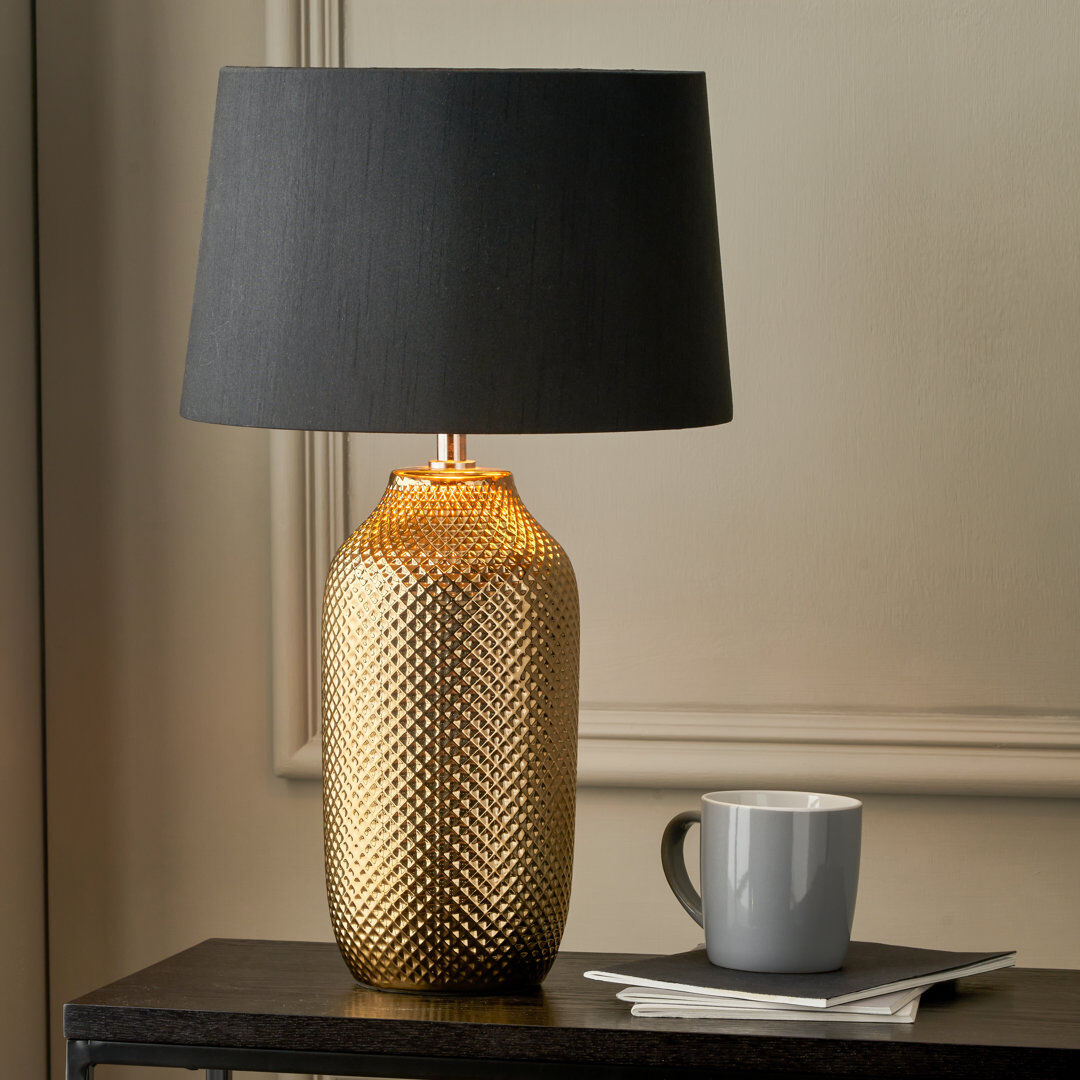
Bloomsbury Market Soler Ceramic Table Lamp Gold 50cm H X 30cm W X 30cm DThis all-over textured ceramic table lamp is finished with a striking metallic effect giving it a contemporary look. The lamp also comes complete with a contrasting black tapered faux cotton shade lined with a matching metallic card to reflect the light when lit. Bloomsbury Market Base Colour: Gold53,99 £*Shipping: 4,99 £Secure redirect to the provider
-
How do you differentiate a ceramic or porcelain figurine?
To differentiate between a ceramic and porcelain figurine, you can look at the texture and color of the piece. Porcelain figurines are usually smoother and have a more delicate appearance, with a translucent quality. They are also often white or very pale in color. On the other hand, ceramic figurines may have a more textured surface and can come in a wider range of colors and finishes. Additionally, porcelain figurines are typically more expensive and considered more valuable due to the difficulty in crafting them. **
-
How can cobalt become toxic in ceramic or porcelain?
Cobalt can become toxic in ceramic or porcelain when it is not properly bound to the material during the firing process. If the cobalt is not fully incorporated into the ceramic or porcelain, it can leach out over time, especially when in contact with acidic foods or liquids. This can lead to the ingestion of cobalt, which can be toxic to the body in high doses. To prevent this, it is important for manufacturers to ensure that cobalt is properly bound to the ceramic or porcelain during the production process. **
-
How much is the porcelain or ceramic soup bowl worth?
The porcelain or ceramic soup bowl is worth $15. **
-
What do you prefer, porcelain or ceramic/stoneware, and why?
I prefer porcelain because it is more durable and has a finer texture compared to ceramic/stoneware. Porcelain is also less porous, making it less likely to absorb stains and odors. Additionally, porcelain has a more elegant and refined appearance, making it a popular choice for formal dinnerware and decorative pieces. Overall, I find porcelain to be a more versatile and higher quality option for various household items. **
* All prices are inclusive of VAT and, if applicable, plus shipping costs. The offer information is based on the details provided by the respective shop and is updated through automated processes. Real-time updates do not occur, so deviations can occur in individual cases. ** Note: Parts of this content were created by AI.