Buy securetechnologies.eu ?
We are moving the project
securetechnologies.eu .
Are you interested in purchasing the domain
securetechnologies.eu ?
domain@kv-gmbh.de · 0541-91531010
Buy securetechnologies.eu ?
Why does the lithium-ion battery swell?
Lithium-ion batteries can swell due to a few reasons, such as overcharging, over-discharging, or exposure to high temperatures. When a lithium-ion battery is overcharged, the lithium ions can build up on the anode instead of being absorbed, causing the battery to swell. Similarly, over-discharging can cause the battery to become unstable and swell. High temperatures can also lead to the expansion of the battery components, resulting in swelling. Overall, any of these factors can cause the internal components of the battery to expand, leading to swelling. **
How does dendrite formation occur in lithium-ion and lithium-polymer batteries?
Dendrite formation in lithium-ion and lithium-polymer batteries occurs when lithium ions plate unevenly on the electrodes during charging, leading to the growth of needle-like structures called dendrites. These dendrites can penetrate the separator between the electrodes, causing a short circuit and potentially leading to thermal runaway and battery failure. Dendrite formation is influenced by factors such as the type of electrolyte used, the charging rate, and the cycling conditions of the battery. To mitigate dendrite formation, researchers are exploring various strategies such as using solid-state electrolytes, modifying electrode materials, and developing advanced battery management systems. **

Similar search terms for Lithium-ion
Top-Angebote
Products related to Lithium-ion:
-
Final Touch Lithium Ion Electric Corkscrew - 2.4 x 9.4 inFinal Touch Electric Corkscrew with Lithium-Ion Battery Easy Cork Removal, USB Charging, LED Lights Stainless Steel Wine Opener for Home and Parties (WO3032) - New Remove a cork in seconds with the touch of a button and without any tugging or...59,62 $*Shipping: 0,00 $Secure redirect to the provider
-
Canon LP-E12 Lithium-Ion Camera Battery Pack 7.2V 875mAhGenuine Canon LP-E12 rechargeable lithium-ion battery pack, 7.2V, 875mAh. Fits Canon EOS M, EOS M2, EOS M10, EOS M50, EOS M100, EOS M200, EOS 100D (Rebel SL1) and PowerShot SX70 HS. Measures approximately 32.5 x 48.5 x 12.5mm and weighs about 35g.76,49 £*Shipping: 0,00 £Secure redirect to the provider



-
How can a lithium-ion battery be revived?
A lithium-ion battery can be revived by using a process called "reconditioning" or "rejuvenation." This involves fully discharging the battery and then recharging it to its full capacity. This process can help to break up any crystalline formations that may have formed on the battery's electrodes, which can improve its performance. Additionally, some battery chargers have a "reconditioning" mode that can help revive a weakened lithium-ion battery. However, it's important to note that not all lithium-ion batteries can be revived, especially if they have been heavily degraded or damaged. **
-
What is the difference between lithium-ion and lithium-polymer batteries in smartphones?
Lithium-ion batteries are the most common type of battery used in smartphones. They are made of a liquid electrolyte and have a rigid, cylindrical shape. On the other hand, lithium-polymer batteries use a solid or gel-like electrolyte and can be made into a flexible, thin shape, making them more adaptable to the design of smartphones. Lithium-polymer batteries also tend to have a lower energy density but are lighter and more resistant to physical damage, making them a popular choice for smartphones. **
-
Are lithium-air batteries easier to recycle than traditional lithium-ion or LiFePO batteries?
Lithium-air batteries are not easier to recycle than traditional lithium-ion or LiFePO batteries. In fact, lithium-air batteries are still in the early stages of development and are not yet widely used in commercial applications. On the other hand, lithium-ion and LiFePO batteries have established recycling processes and infrastructure in place, making them easier to recycle. Additionally, lithium-air batteries have a different chemical composition and structure, which may present unique challenges for recycling. Therefore, at this time, traditional lithium-ion and LiFePO batteries are easier to recycle than lithium-air batteries. **
-
How do you store an unused lithium-ion battery?
When storing an unused lithium-ion battery, it is important to keep it at a moderate temperature, ideally between 20-25 degrees Celsius. It is also recommended to store the battery at a partial charge, around 50%, to prevent it from fully discharging. Additionally, the battery should be kept in a dry and well-ventilated area to avoid any moisture or humidity. Finally, it is best to store the battery in its original packaging or a protective case to prevent any physical damage. **


What is the voltage of the lithium-ion battery?
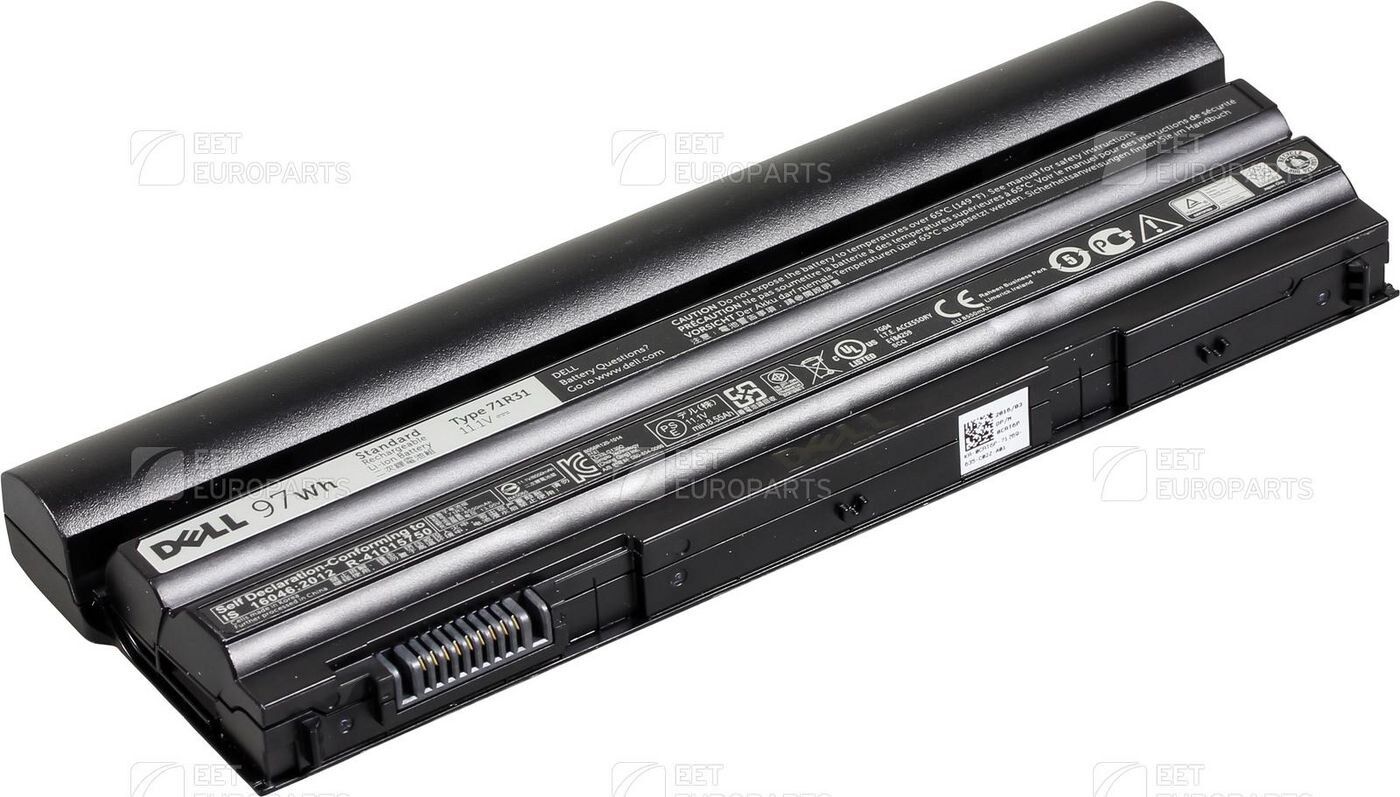
The voltage of a lithium-ion battery can vary depending on the specific design and configuration of the battery. However, most lithium-ion batteries have a nominal voltage of 3.7 volts per cell. This means that a single lithium-ion cell typically has a voltage of 3.7 volts. When multiple cells are connected in series, the voltage of the battery pack increases accordingly. For example, a lithium-ion battery pack with 4 cells in series would have a nominal voltage of 14.8 volts (4 cells x 3.7 volts/cell). **
Why do lithium-ion batteries break down at all?
Lithium-ion batteries break down over time due to a combination of factors. One major reason is the formation of dendrites, which are tiny, needle-like structures that can grow within the battery and cause short circuits. Additionally, the repeated charging and discharging of the battery leads to the degradation of the electrodes and the electrolyte, reducing the battery's capacity and performance. Furthermore, exposure to high temperatures, overcharging, and physical damage can also contribute to the breakdown of lithium-ion batteries. **
Top-Angebote
Products related to Lithium-ion:
-
INSTA360 X4 Battery Lithium-ion RechargeableLithium-ion rechargeable battery with 2290 mAh capacity, delivering approximately 135 minutes of runtime for the Insta360 X4 camera. Operates at 3.85V and includes a protective storage box with memory card slot. Backed by a 1-year manufacturer guarantee.51,99 £*Shipping: 0,00 £Secure redirect to the provider
-
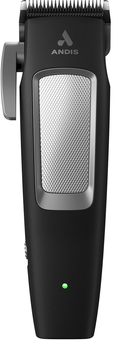
Andis inCRED Lithium-Ion Cordless Clipper KitThe inCRED Cordless Clipper Kit includes all you need for at-home styling. With a durable titanium blade, this all-inclusive clipper kit champions the whole family’s hair care needs. With this 18-piece kit detachable guards, multiple accessories,...47,99 $*Shipping: 0,00 $Secure redirect to the provider
-
Final Touch Lithium Ion Electric Corkscrew - 2.4 x 9.4 inFinal Touch Electric Corkscrew with Lithium-Ion Battery Easy Cork Removal, USB Charging, LED Lights Stainless Steel Wine Opener for Home and Parties (WO3032) - New Remove a cork in seconds with the touch of a button and without any tugging or...59,62 $*Shipping: 0,00 $Secure redirect to the provider
-
Why does the lithium-ion battery swell?
Lithium-ion batteries can swell due to a few reasons, such as overcharging, over-discharging, or exposure to high temperatures. When a lithium-ion battery is overcharged, the lithium ions can build up on the anode instead of being absorbed, causing the battery to swell. Similarly, over-discharging can cause the battery to become unstable and swell. High temperatures can also lead to the expansion of the battery components, resulting in swelling. Overall, any of these factors can cause the internal components of the battery to expand, leading to swelling. **
-
How does dendrite formation occur in lithium-ion and lithium-polymer batteries?
Dendrite formation in lithium-ion and lithium-polymer batteries occurs when lithium ions plate unevenly on the electrodes during charging, leading to the growth of needle-like structures called dendrites. These dendrites can penetrate the separator between the electrodes, causing a short circuit and potentially leading to thermal runaway and battery failure. Dendrite formation is influenced by factors such as the type of electrolyte used, the charging rate, and the cycling conditions of the battery. To mitigate dendrite formation, researchers are exploring various strategies such as using solid-state electrolytes, modifying electrode materials, and developing advanced battery management systems. **
-
How can a lithium-ion battery be revived?
A lithium-ion battery can be revived by using a process called "reconditioning" or "rejuvenation." This involves fully discharging the battery and then recharging it to its full capacity. This process can help to break up any crystalline formations that may have formed on the battery's electrodes, which can improve its performance. Additionally, some battery chargers have a "reconditioning" mode that can help revive a weakened lithium-ion battery. However, it's important to note that not all lithium-ion batteries can be revived, especially if they have been heavily degraded or damaged. **
-
What is the difference between lithium-ion and lithium-polymer batteries in smartphones?
Lithium-ion batteries are the most common type of battery used in smartphones. They are made of a liquid electrolyte and have a rigid, cylindrical shape. On the other hand, lithium-polymer batteries use a solid or gel-like electrolyte and can be made into a flexible, thin shape, making them more adaptable to the design of smartphones. Lithium-polymer batteries also tend to have a lower energy density but are lighter and more resistant to physical damage, making them a popular choice for smartphones. **
Similar search terms for Lithium-ion
-
Canon LP-E12 Lithium-Ion Camera Battery Pack 7.2V 875mAhGenuine Canon LP-E12 rechargeable lithium-ion battery pack, 7.2V, 875mAh. Fits Canon EOS M, EOS M2, EOS M10, EOS M50, EOS M100, EOS M200, EOS 100D (Rebel SL1) and PowerShot SX70 HS. Measures approximately 32.5 x 48.5 x 12.5mm and weighs about 35g.76,49 £*Shipping: 0,00 £Secure redirect to the provider
-
Ubiquiti Networks Ubiquiti WiFiMan Wizard Spectrum Analyzer, Band Scanning - USB - 3.7V - Battery Rechargeable - Lithium Ion (Li-Ion)A portable spectrum analyzer designed for the WiFiMan iOS and Android mobile app. 2.4 GHz and 5 GHz unlicensed band scanning 240 minutes continuous scanning battery life BLE smartphone pairing with USB-C charging port iPhone Magsafe attachable support Management interface Bluetooth Power method Li-ion battery Power supply Rechargeable Li-ion battery, 3.7V DC, 300mAh Max. power consumption 32.4mW Charger voltage USB-C, 5V DC/1A LED White/blue/red Buttons (1) Power (1) Factory-reset Operating temp115,49 £*Shipping: 0,00 £Secure redirect to the provider
-
Are lithium-air batteries easier to recycle than traditional lithium-ion or LiFePO batteries?
Lithium-air batteries are not easier to recycle than traditional lithium-ion or LiFePO batteries. In fact, lithium-air batteries are still in the early stages of development and are not yet widely used in commercial applications. On the other hand, lithium-ion and LiFePO batteries have established recycling processes and infrastructure in place, making them easier to recycle. Additionally, lithium-air batteries have a different chemical composition and structure, which may present unique challenges for recycling. Therefore, at this time, traditional lithium-ion and LiFePO batteries are easier to recycle than lithium-air batteries. **
-
How do you store an unused lithium-ion battery?
When storing an unused lithium-ion battery, it is important to keep it at a moderate temperature, ideally between 20-25 degrees Celsius. It is also recommended to store the battery at a partial charge, around 50%, to prevent it from fully discharging. Additionally, the battery should be kept in a dry and well-ventilated area to avoid any moisture or humidity. Finally, it is best to store the battery in its original packaging or a protective case to prevent any physical damage. **
-
What is the voltage of the lithium-ion battery?
The voltage of a lithium-ion battery can vary depending on the specific design and configuration of the battery. However, most lithium-ion batteries have a nominal voltage of 3.7 volts per cell. This means that a single lithium-ion cell typically has a voltage of 3.7 volts. When multiple cells are connected in series, the voltage of the battery pack increases accordingly. For example, a lithium-ion battery pack with 4 cells in series would have a nominal voltage of 14.8 volts (4 cells x 3.7 volts/cell). **
-
Why do lithium-ion batteries break down at all?
Lithium-ion batteries break down over time due to a combination of factors. One major reason is the formation of dendrites, which are tiny, needle-like structures that can grow within the battery and cause short circuits. Additionally, the repeated charging and discharging of the battery leads to the degradation of the electrodes and the electrolyte, reducing the battery's capacity and performance. Furthermore, exposure to high temperatures, overcharging, and physical damage can also contribute to the breakdown of lithium-ion batteries. **
* All prices are inclusive of VAT and, if applicable, plus shipping costs. The offer information is based on the details provided by the respective shop and is updated through automated processes. Real-time updates do not occur, so deviations can occur in individual cases. ** Note: Parts of this content were created by AI.